
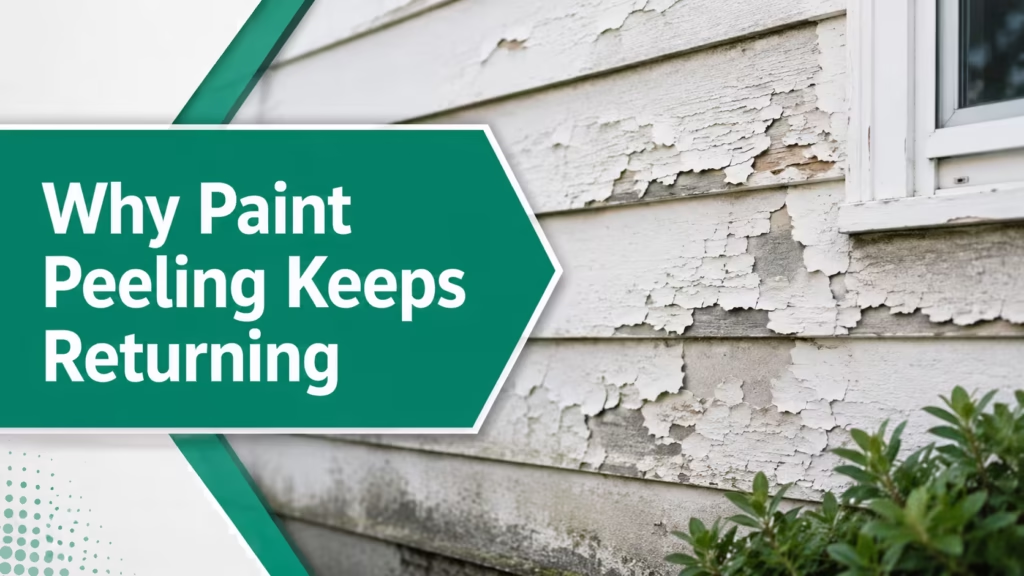
Peeling exterior paint usually isn’t caused by the new paint itself. It’s almost always a sign of an underlying problem: most often moisture, poor surface preparation, or failing materials beneath the coating. If your house exterior paint keeps bubbling, cracking, or flaking after repainting, the issue was never fully corrected before the new coat went on.
Some homeowners simply remove peeling paint and repaint expecting that the problem will go away. While this may look better temporarily, the peeling is likely to return as the underlying cause was never fixed. Proper residential exterior painting is not about just covering the area, it’s more about figuring out the problem why this peeling is coming back?.
The way to stop peeling at the source is to figure out where the problem originates and tackle it before giving a new coat. Trapped moisture, worn surfaces or wrong application techniques, whichever may be, addressing them through repair will ensure that your home’s exterior can hold paint well and offer protection for years to come.
Exterior paint doesn’t peel without a reason. When you see the same peeling in the same areas of your home’s exterior time and again it is usually a sign that there is an underlying issue which is preventing proper adhesion to the surface.
Identifying the root cause is the first step in achieving permanent solutions to residential exterior painting. To fix the source of the problem, not just repeat paint, help to prevent repeated peeling and to protect your home’s exterior for the long term.
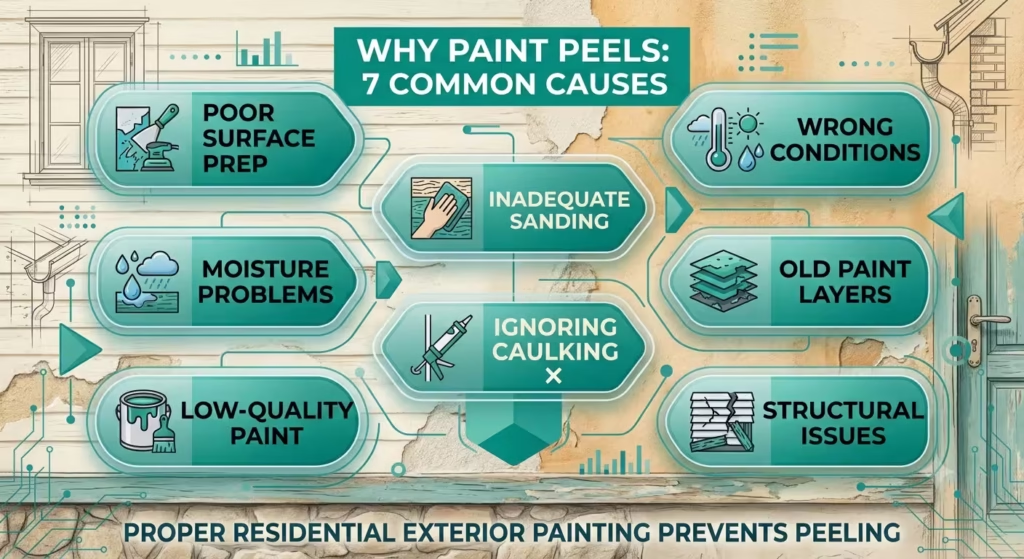
Here are the most common reasons that bond fails:
One of the biggest reasons peeling paint comes back is inadequate prep work.
Without proper preparation, new house exterior paint won’t adhere correctly, leading to recurring peeling.
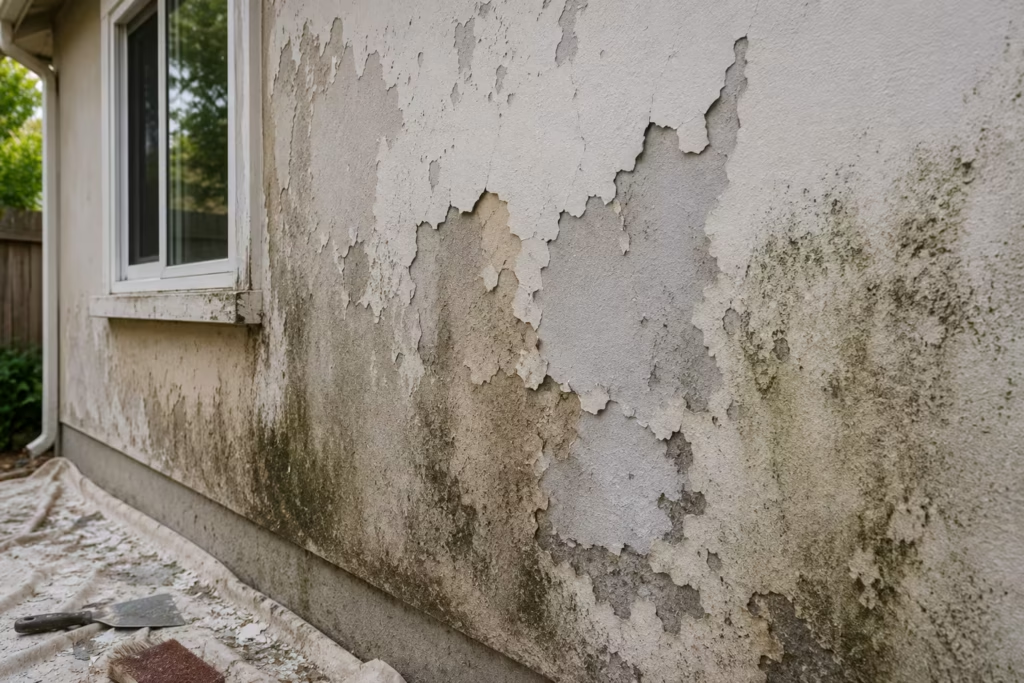
Moisture is a major cause of paint failure.
If moisture issues aren’t fixed before exterior wall painting, the paint will continue to bubble and peel.
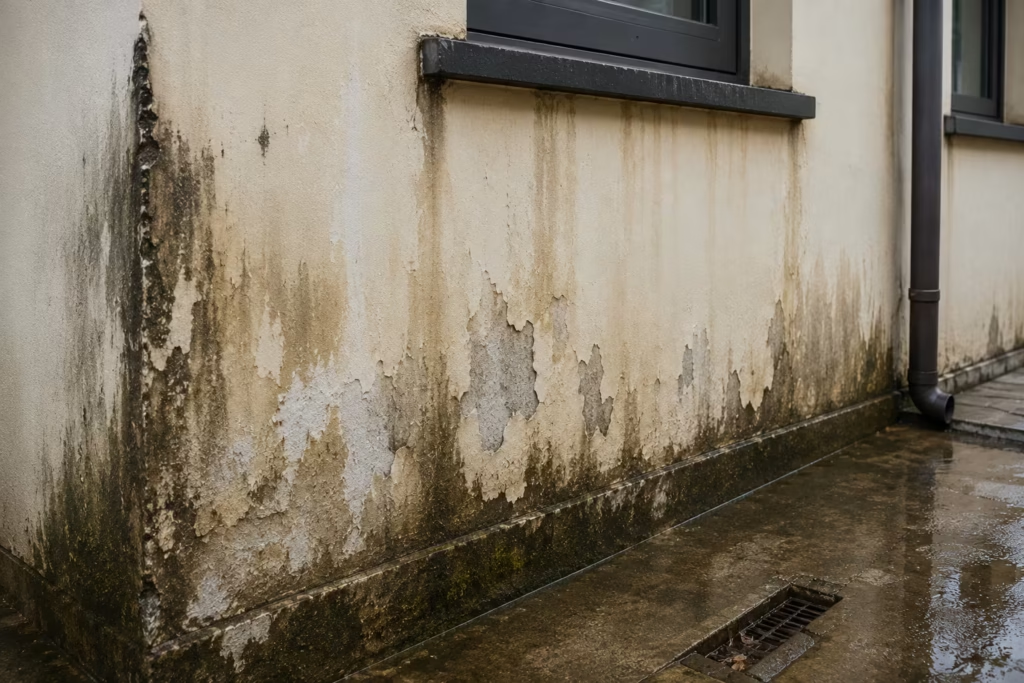
Cheap or incorrect paint products can’t withstand weather conditions.
High-quality materials used in residential exterior painting help prevent repeated peeling.
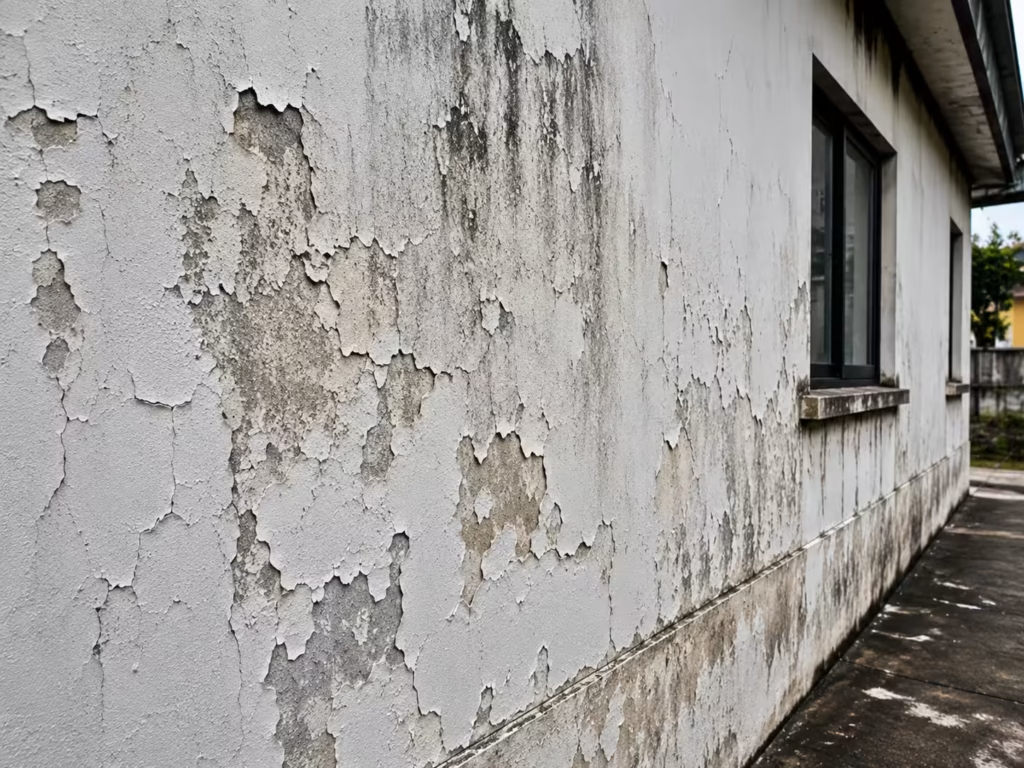
Primer plays a crucial role in paint durability.
Skipping primer during house exterior paint application often leads to early failure.
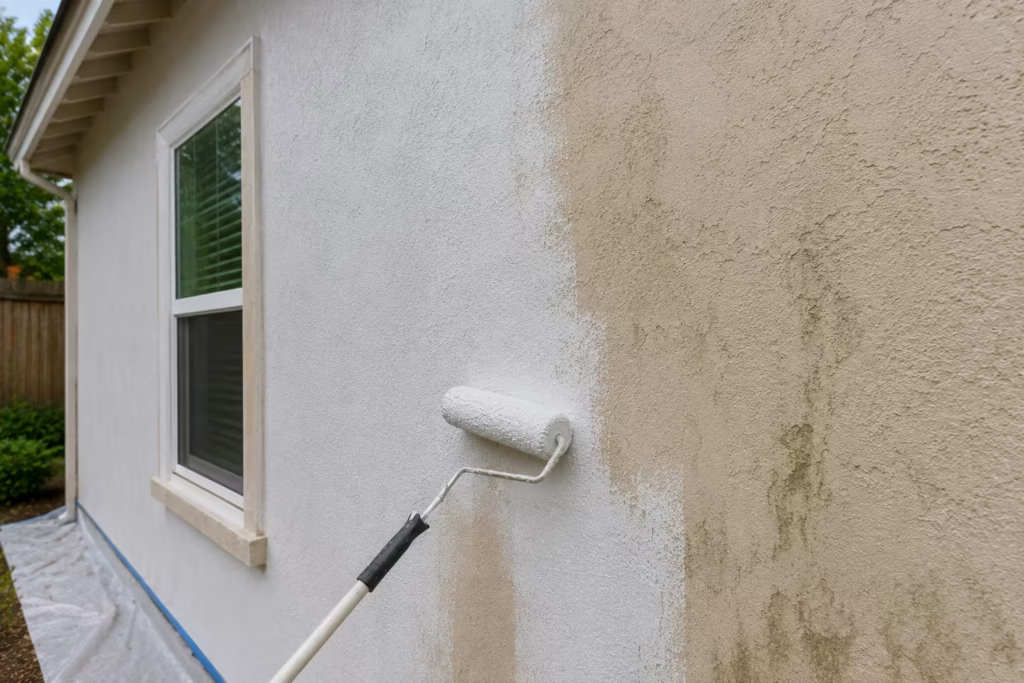
Weather conditions matter more than many realize.
Improper timing during residential exterior painting can cause paint to peel prematurely.
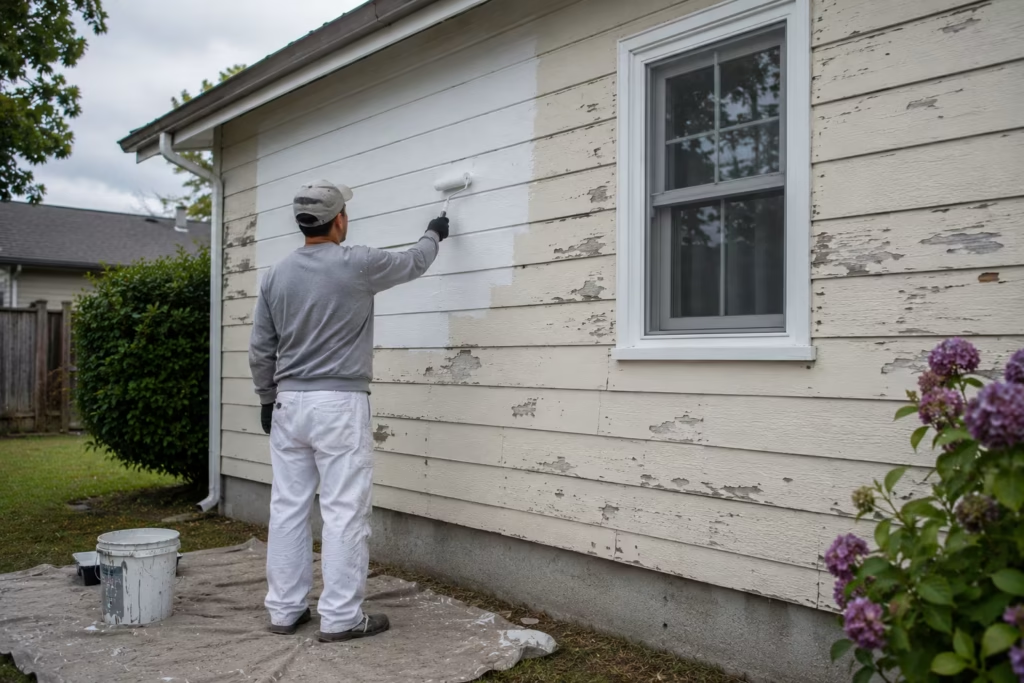
Over time, layers of old paint build up.
Proper exterior wall painting may require stripping old layers before repainting.
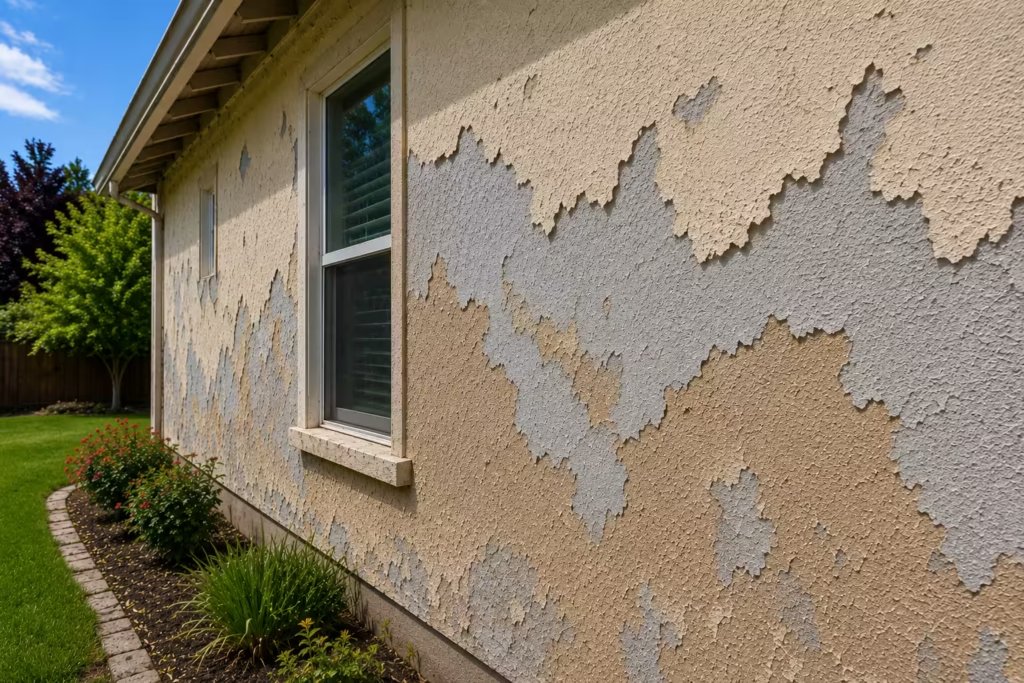
Sometimes peeling paint is a symptom of deeper problems.
If these issues aren’t fixed, even the best house exterior paint won’t last.
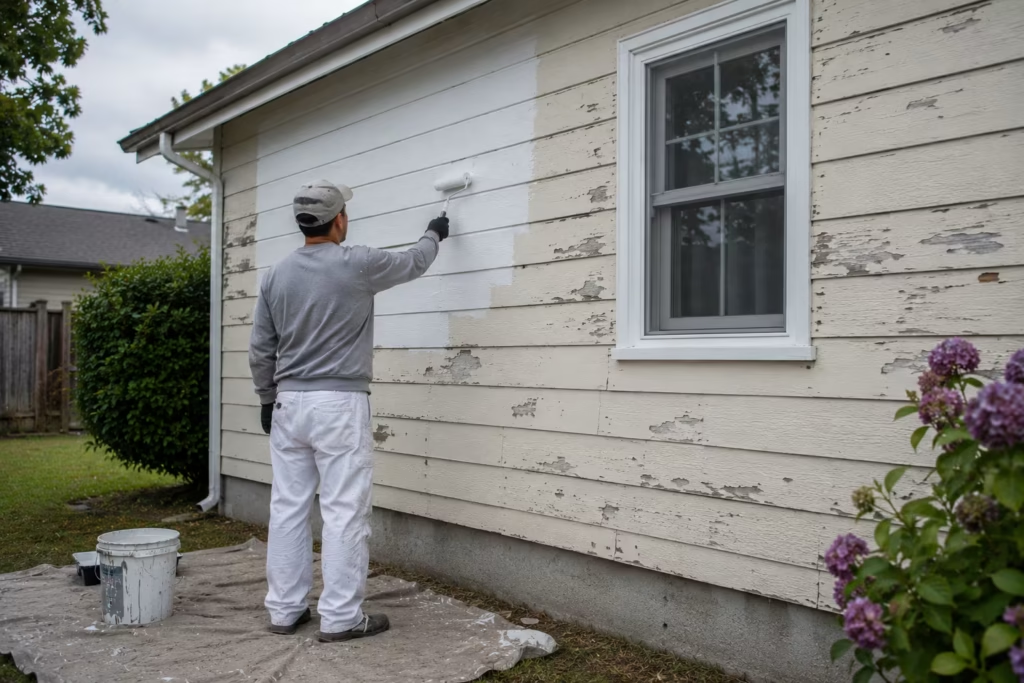
Professional residential exterior painting is about more than applying a fresh coat of paint. It starts with a detailed inspection to identify the underlying causes of peeling, ensuring problems are fixed before any new house exterior paint is applied.
By addressing moisture issues and repairing damaged surfaces and by way of the right preparation and application methods professionals achieve a longer-lasting finish. This careful approach which also prevents repeated paint peeling will protect your home’s exterior for years to come.
A proper process includes:
Professionals treat paint as a system, not just a color change.
For example, if siding has minor rot, it gets replaced—not patched with filler and painted over. If moisture readings are high, painting is delayed.
This helps to prevent recurring damage and extend the life of your paint.
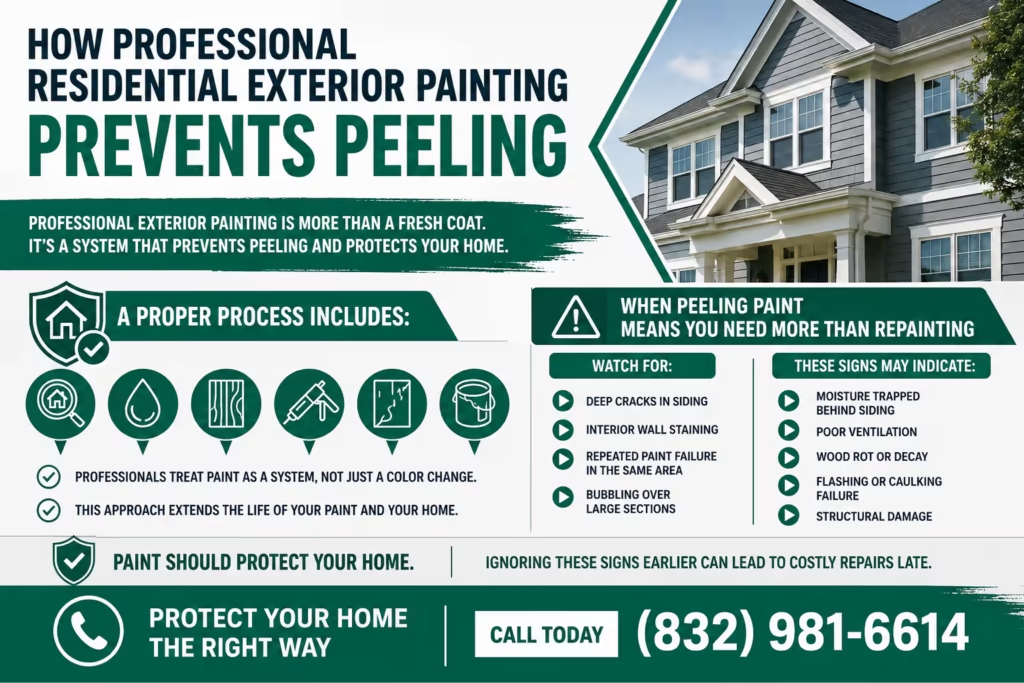
Peeling paint isn’t always just a paint problem. When the same areas continue to fail, it may be a warning sign of hidden structural or moisture issues that should be repaired before applying new house exterior paint.
Watch for:
Paint should protect your home. If it keeps peeling or failing to protect your home maybe it needs more than paint..
Ignoring these signs earlier can lead to costly repairs later.
Peeling paint is a sign of a larger issue which is usually found beneath the surface; it’s not the primary problem. Repainting it without fixing issues like moisture, poor preparation, or damaged materials will cause the problem to return. By determining the root cause, using high-quality house exterior paint, and investing in professional residential exterior painting and proper exterior wall painting you can achieve better results which also protects your home for many years and which also helps you avoid expensive repairs in the future.
Get personalized exterior painting recommendations and professional painting services today.
Reliable exterior painting solutions with professional service, long-lasting results, and exceptional craftsmanship.