
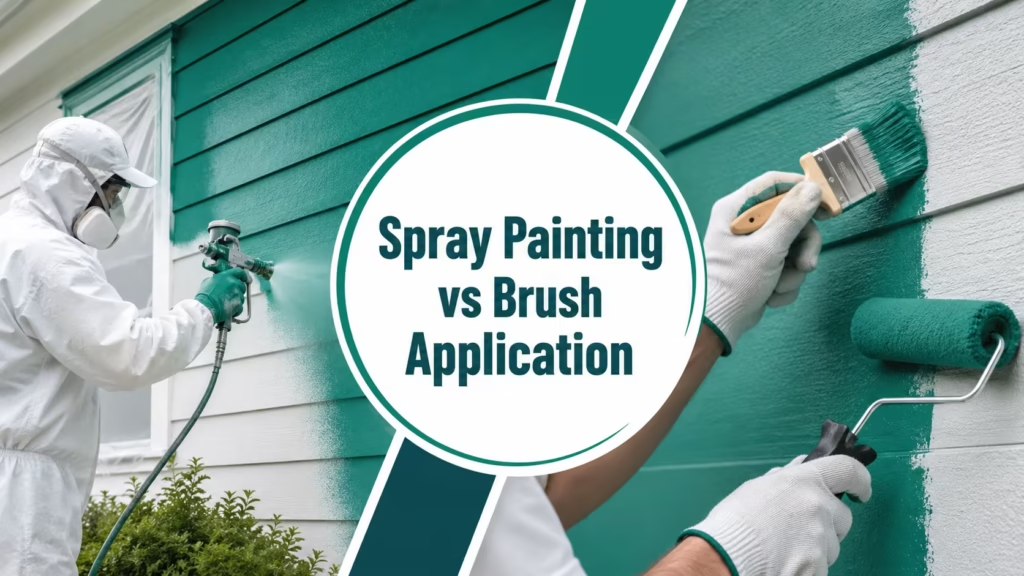
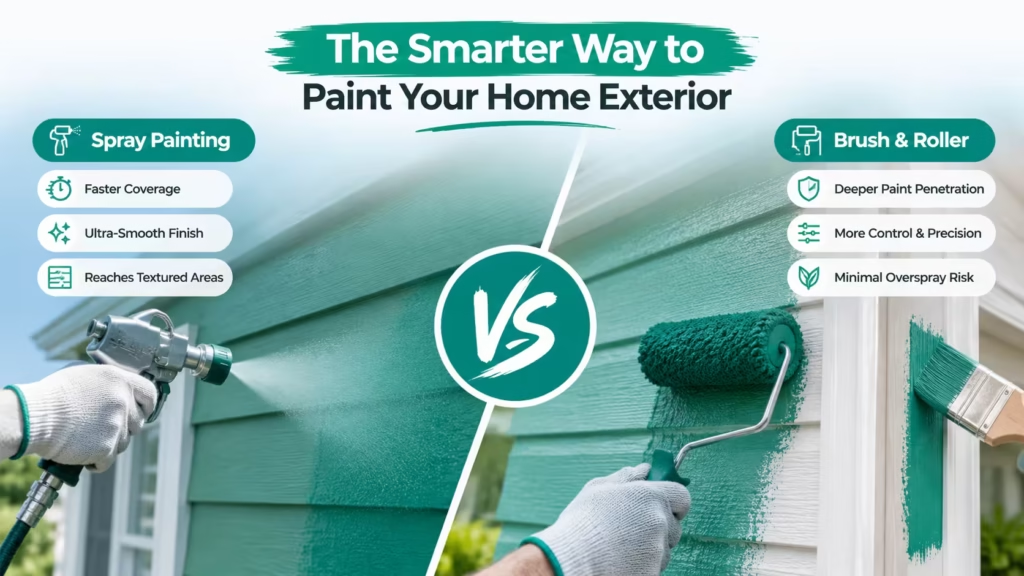
Spray painting is quick and gives an evenly smooth finish. Brush and roller paint application gives you more control and deeper paint penetration for some surfaces. When it comes to house exterior paint, the “better” method depends on the condition of the home, the material being painted, and how thorough the preparation is.
In professional residential exterior painting, both methods are often used together—not separately. Spraying is not always superior, and brushing remains essential. They each have their own merits, and knowing which one to use when is critical to whether a paint coating lasts or fails early.
No matter if you just want to revitalize your exterior or you are going for a full house exterior paint, knowing how the two methods compare in terms of advantages and disadvantages will let you decide the technique providing the right balance of speed, performance, and durability.
Let’s break it down clearly.
Spray equipment atomizes paint into a fine mist and applies it evenly across a surface. On large exterior walls, this allows for quick coverage and a uniform appearance.
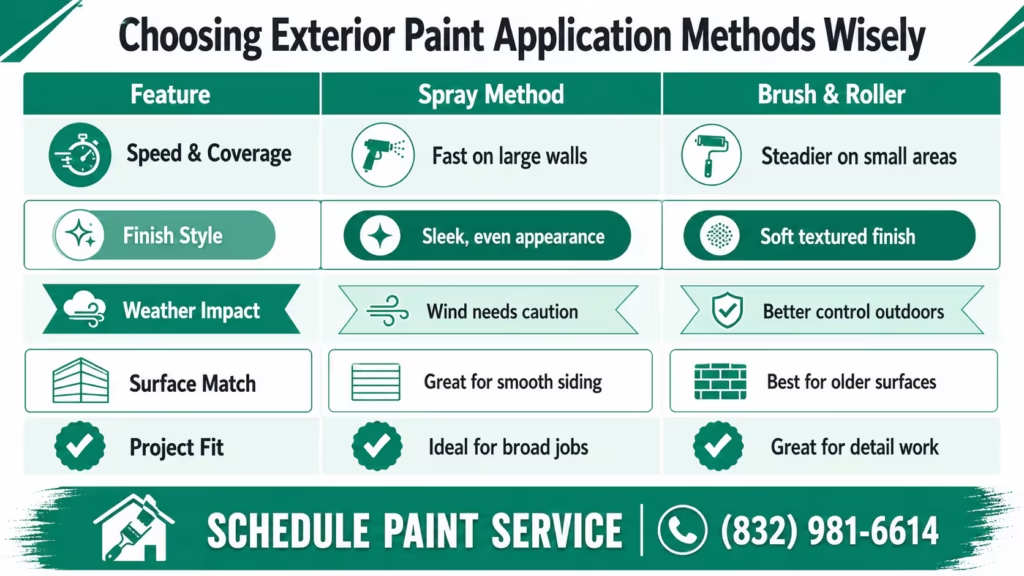
Spraying covers large areas much faster than a roller. For full exterior wall painting projects, this can reduce labor time significantly.
Spray application eliminates roller stipple and most brush marks. The finish looks consistent, especially on smooth siding like fiber cement or metal.
On stucco or heavily textured siding, spray can reach into crevices more effectively than a roller alone.
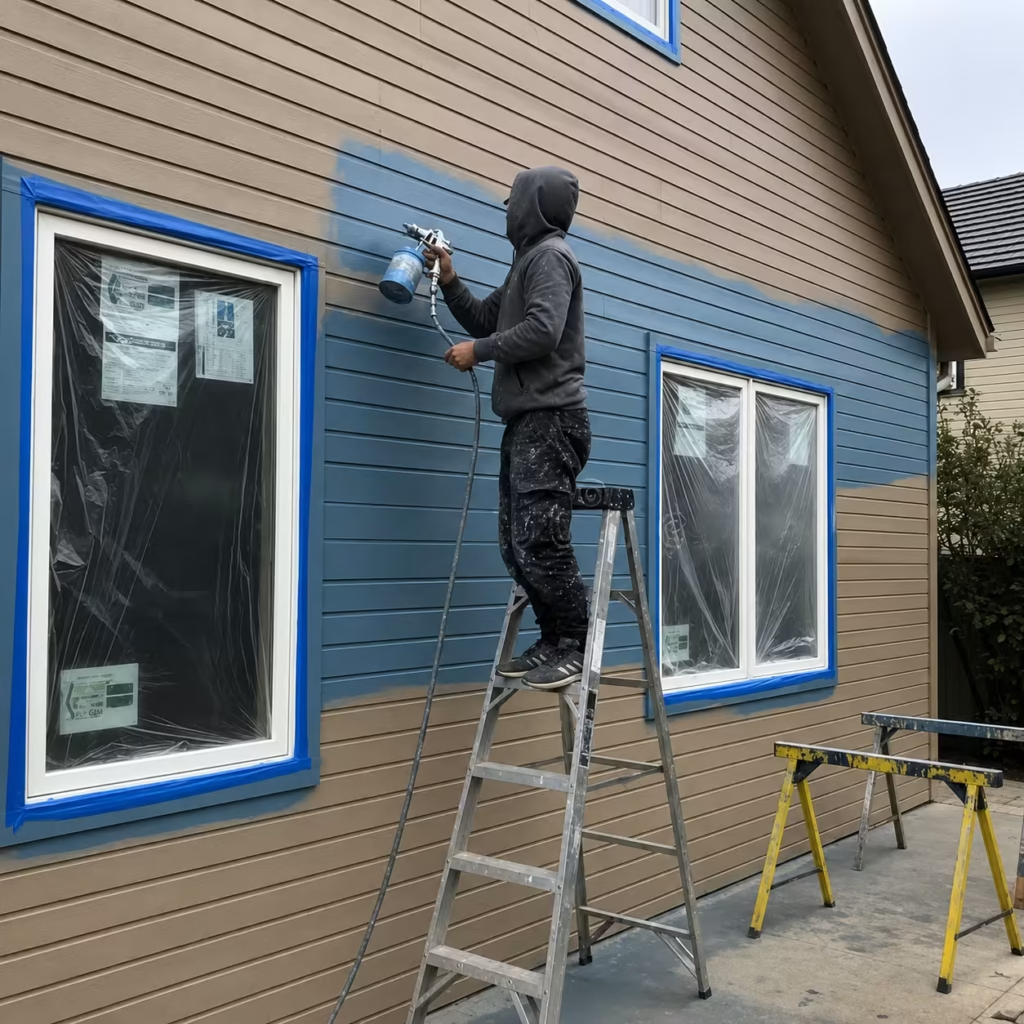
Windows, roofs, landscaping, brick, concrete, and neighboring properties must be protected. Overspray travels farther than many homeowners expect.
Spray won’t hide poor preparation. If the surface is dirty or peeling, the finish will fail—just faster and more evenly.
If applied incorrectly, spraying can result in a lighter film build. That reduces durability unless followed by back-brushing or back-rolling.
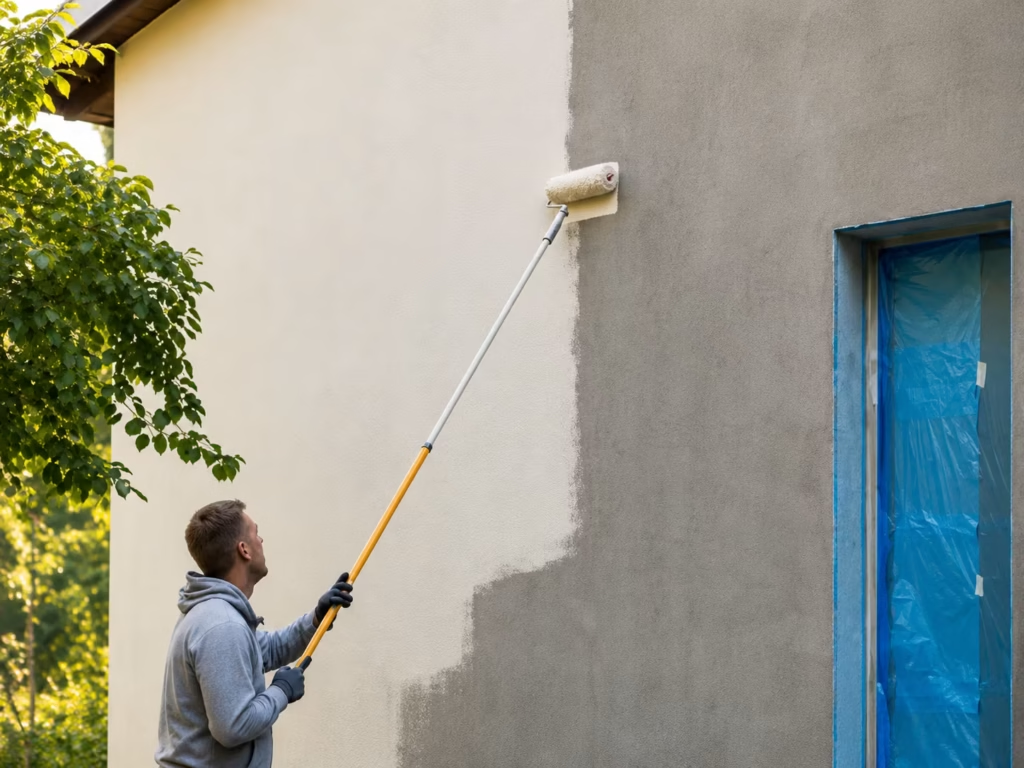
Brushes cut in edges and work paint into joints. Rollers apply paint with pressure, pushing it into the surface texture.
Rolling physically presses house exterior paint into wood grain and porous materials. This helps adhesion, especially on older siding.
Brush work allows careful application around trim, corners, and detailed architectural features.
There’s no airborne mist, which makes it safer in tight neighborhoods or windy conditions.
Large projects take more time. Labor costs can increase if the entire home is rolled instead of sprayed.
Rollers leave stipple. On smooth siding, this texture may be noticeable in certain light.
Rolling a full exterior requires more effort and can slow production if not managed properly.
Application method alone doesn’t determine longevity.
Durability depends on:
However, spray-only applications that don’t achieve proper film thickness may wear faster.
Rollers naturally help achieve recommended coverage rates because you can see and feel how much paint is going on.
If spraying is done correctly—with proper pressure, tip size, and technique—it performs just as well.
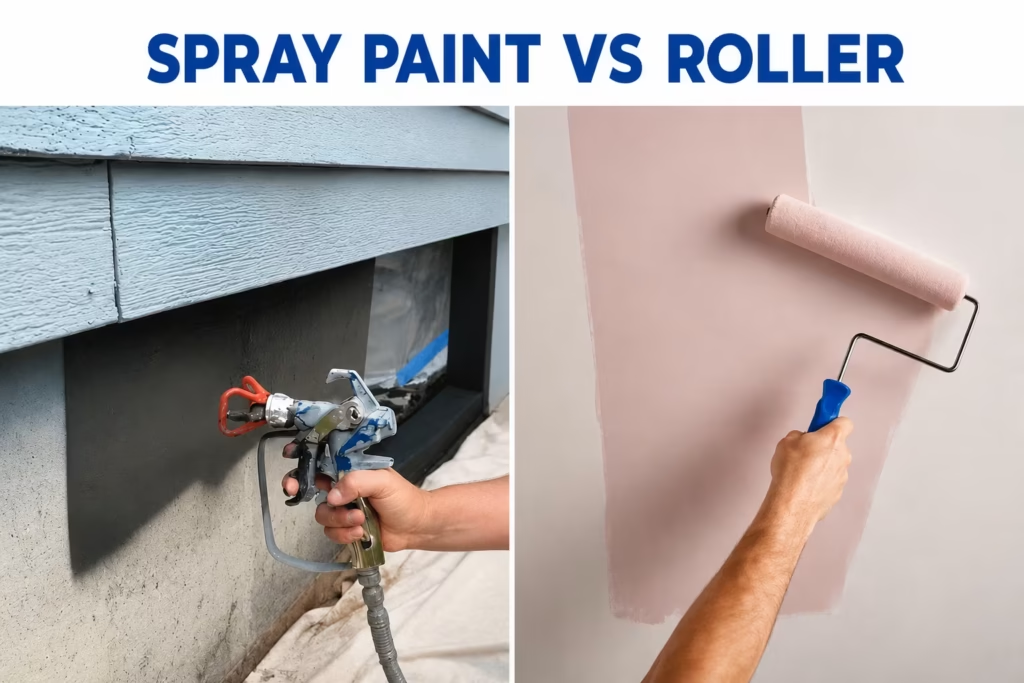
Spraying is sensitive to wind. Overspray can drift easily, even with a gentle breeze. Paint sprayed on very hot days dries quickly if it was not properly leveled. Rolling can help prevent this by working the material into the surface.
Brush and roller methods are best for small spaces in order to prevent damage to neighboring vehicles or houses in case of accidental overspray. These practical considerations often determine the method used on exterior wall painting projects
Sprayed finishes appear smoother and more uniform, especially on flat surfaces. Rolled finishes have a slight texture. In traditional homes, that’s often not an issue. In fact, some homeowners prefer the subtle depth.
On modern designs with smooth siding panels, spraying tends to create a cleaner look. On older homes with character wood siding, brushed and rolled finishes feel appropriate and durable.
Spraying can reduce labor time on large projects. That may lower labor costs slightly. However, masking and setup take time. For smaller homes or partial repaints, brush and roller may be just as efficient.
The biggest cost factor in residential exterior painting isn’t the tool—it’s the preparation work and material quality.
“Spraying is always better.”
Not necessarily. It’s faster, but without back-rolling, it may not penetrate as well on porous materials.
“Brush and roller is outdated.”
Not true. It’s still essential for trim, edges, and detailed work.
“Spraying uses more paint.”
It can, especially if overspray isn’t controlled. Efficient crews adjust pressure and technique to minimize waste.
“You can skip prep if you spray.”
Preparation is everything. Spray just applies paint—it doesn’t fix peeling or moisture problems.
The tool matters less than the person using it. An experienced painter with only the paintbrush can beat a sprayer operated by an inexperienced person. A properly trained spray crew can produce great results quickly and evenly. Correct tip size, pressure settings, and spray pattern all influence finish quality. So does rolling technique, nap selection, and brush control.
The application method should serve the surface—not the other way around.
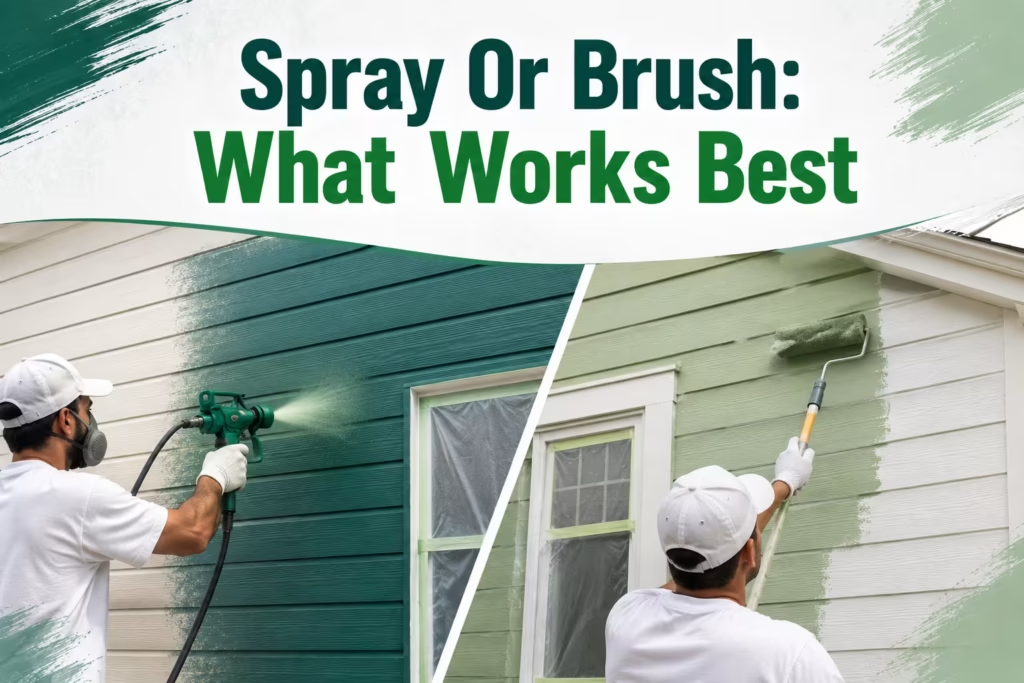
Neither spray nor brush application is always better, it is more of a matter of picking the suitable method for a given surface. Achieving a successful residential exterior painting project will require some prep work, using high-quality exterior paint, and hiring someone competent to paint those parts of the house that will most readily show paint such as the fascia, eaves, and doors. It doesn’t really matter if you choose spray painting, or roller and brush application or both; professional workmanship alone will result in a durable finish which looks beautiful and stands the test of time.
Get personalized exterior painting recommendations and professional painting services today.
Reliable exterior painting solutions with professional service, long-lasting results, and exceptional craftsmanship.