Exterior paint rarely fails overnight. Long before large sections start peeling away, a home usually gives smaller warnings: fading color, powdery residue, cracking caulk, isolated peeling, stains around gutters, or exposed wood.
Recognizing the signs your home is ready for exterior painting early can help you repaint while the siding, trim, stucco, and other exterior materials are still in good condition.
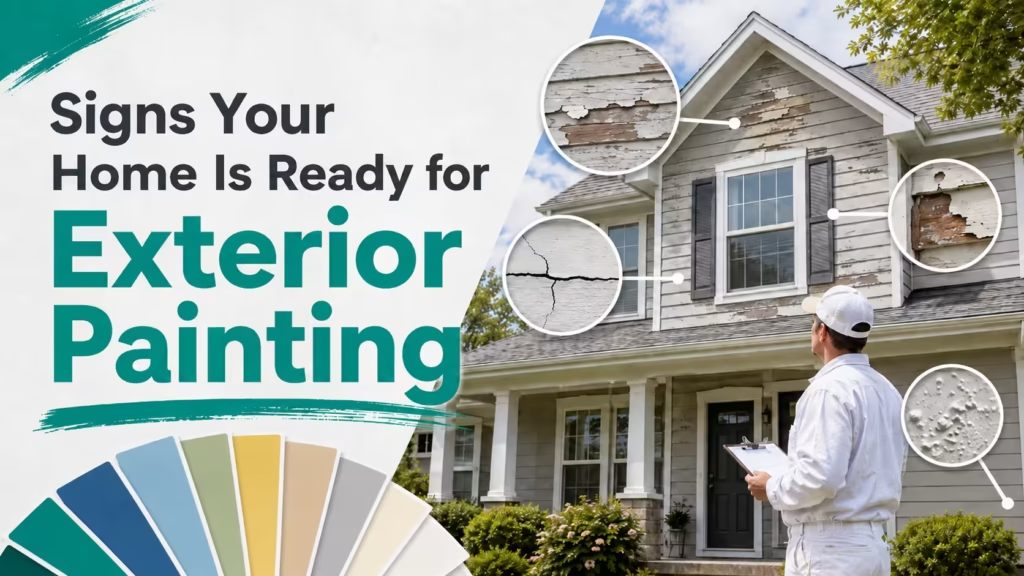
Your home may be ready for painting when you notice these exterior painting signs such as :peeling, cracking, fading, chalking, bubbling, deteriorated caulk, mildew, discoloration, or exposed substrate.
| Warning Sign | What It Means | Action Needed |
|---|---|---|
| Peeling Paint | Paint is no longer adhering | Repaint after prep |
| Fading Color | UV damage and aging | Repaint soon |
| Cracks or Blisters | Moisture or heat damage | Inspect and repaint |
| Mold or Mildew | Moisture intrusion | Clean and treat before painting |
| Exposed Wood | Loss of protective coating | Immediate repainting |
Different paint symptoms often point toward different causes.
Instead of simply asking whether your house “looks old,” look at what the coating is actually doing.
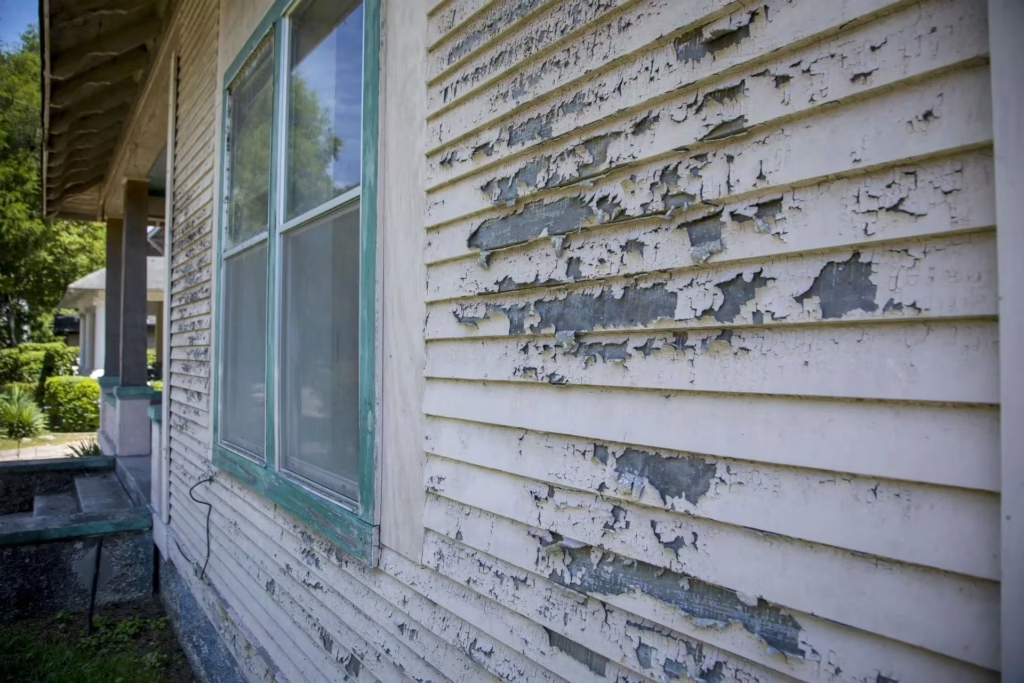
Peeling is one of the clearest indications that an exterior coating is no longer bonding correctly.
A small isolated patch may be caused by localized damage.
Widespread peeling deserves more investigation.
Fine surface cracking may occur as coatings age.
Larger cracks may involve the material underneath, including:
One issue we frequently encounter is homeowners assuming every crack is purely cosmetic.
Sometimes it is.
Sometimes it is not.
Blisters occur when the paint film separates from the surface beneath it.
Possible causes include:
Before repainting a blistered surface, determine why the coating separated.
Sunlight, rain, humidity, and temperature changes gradually age exterior coatings.
Fading is one of the easiest symptoms to see.
South- and west-facing walls often show stronger fading because they may receive more direct sunlight.
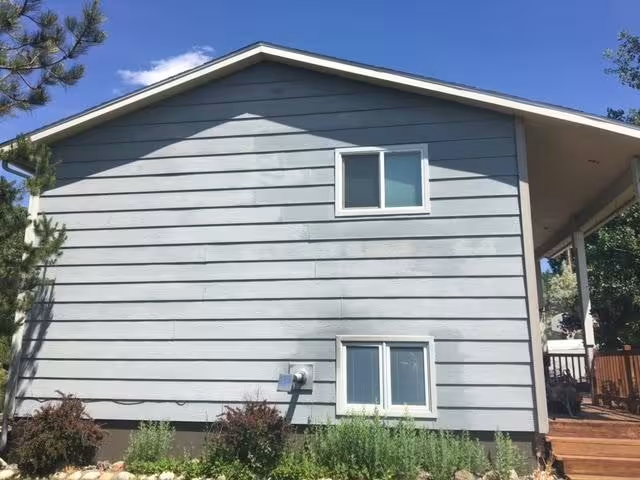
Repainting may primarily be an appearance decision when:
Look more closely when fading appears alongside:
The combination matters more than color loss alone.
Moisture-related paint problems deserve special attention because repainting without correcting the water source can produce another failure.
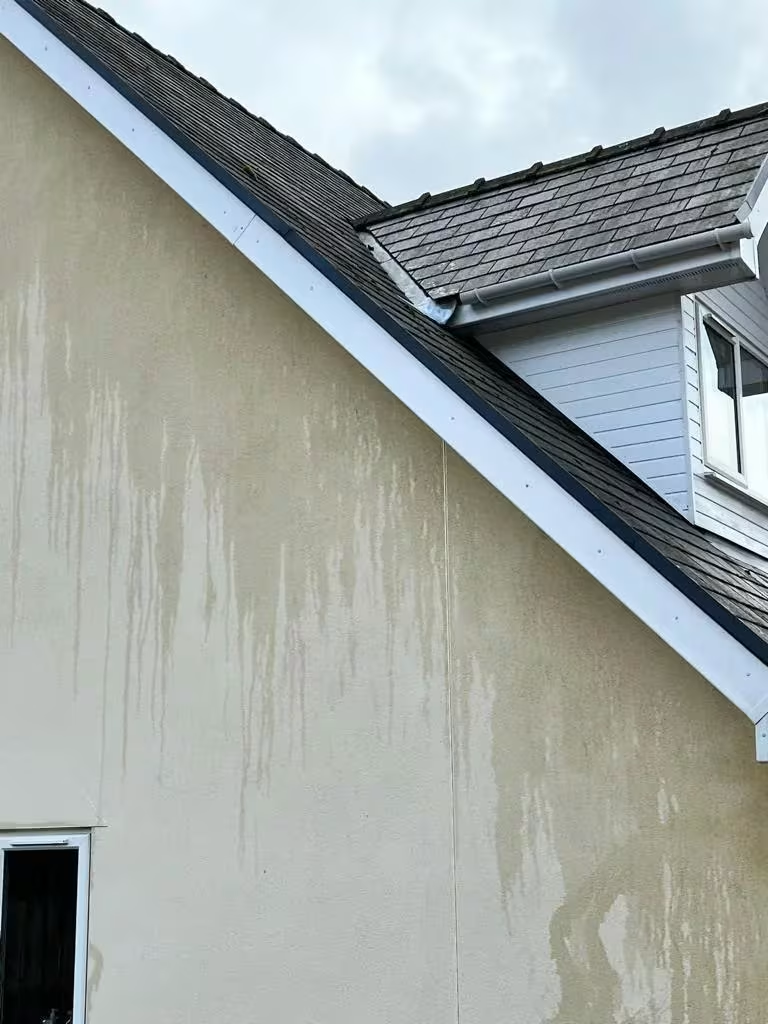
A better repair sequence is:
Find the moisture source → Correct the problem → Clean the surface → Allow it to dry → Repair damage → Prime where necessary → Repaint
Many homeowners do not realize that paint applied over an unresolved moisture problem may simply hide the evidence temporarily.
Exterior painting does not always need to happen immediately.
The condition of the coating and substrate should guide the decision.
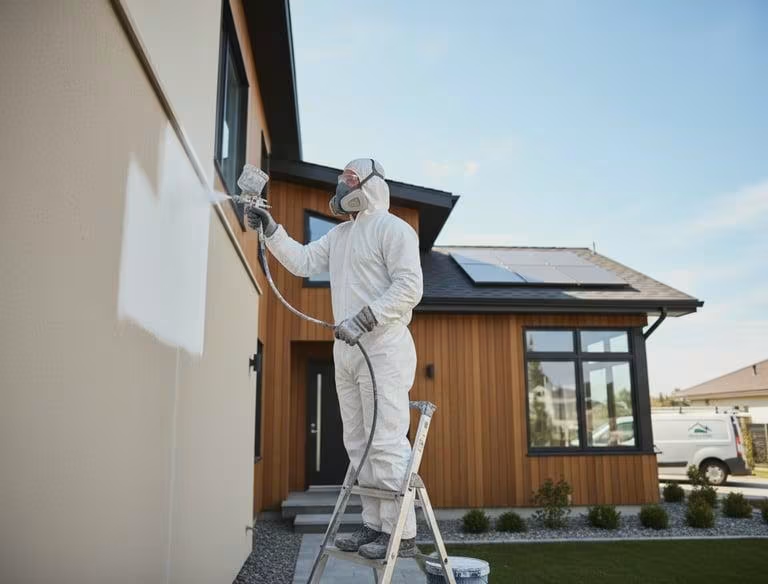
Consider acting promptly when you have:
Once vulnerable material is exposed, weather can begin affecting it directly.
Start planning when you notice:
This may be the ideal maintenance window because extensive repairs have not yet developed.
You may be able to wait when:
Continue inspecting annually rather than relying only on the age of the previous paint job.
Not necessarily.
A coating may still have:
Appearance is only one part of an exterior inspection.
New paint cannot create a stable surface underneath loose coating.
Failed material should be removed and the cause investigated first.
No.
Growth should be cleaned and the moisture condition corrected before repainting.
Otherwise, the underlying cause remains.
Some cracks involve the coating.
Others may involve:
Investigate larger or repeated cracking before assuming another coat is the solution.
Good painting conditions depend on the coating being used and the surrounding weather.
Generally favorable conditions include:
Always follow the technical requirements for the exact product being applied.
Modern exterior coatings have different allowable temperature and weather ranges, so there is no universal rule that applies to every paint.
Season also depends heavily on location.
A hot region may offer excellent painting conditions during months that would be unsuitable in a colder climate.
The weather matters more than the name of the season.
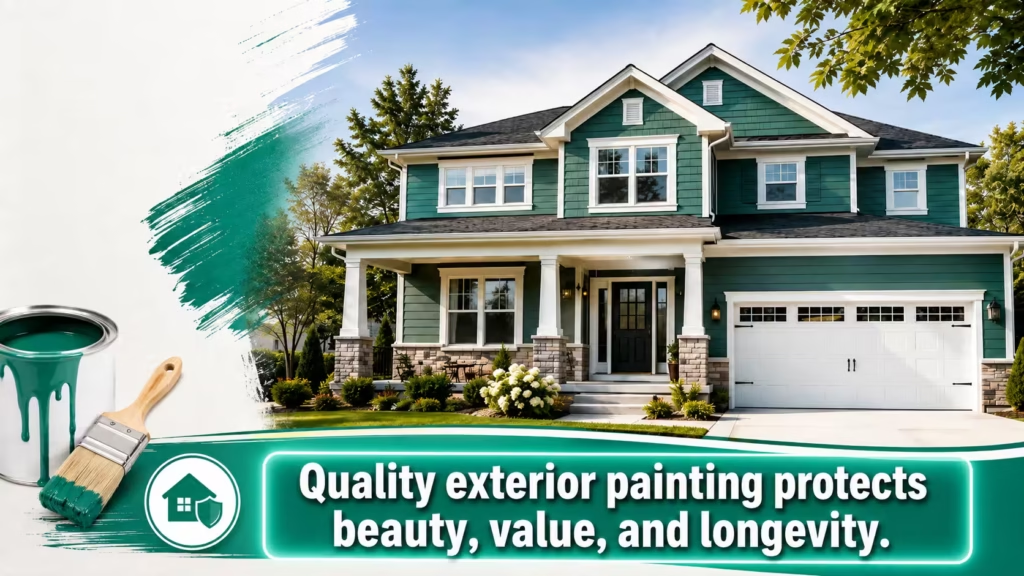
The timing of house exterior paint is important because it provides protection as well as a new look. Paint the exterior when the paint begins to fade, fix localized damage, and deal with rot, water, or structural problems before painting. A longer-lasting finish is possible with proper inspection and preparation. Protecting the exterior is important before minor issues become expensive repairs.
Peeling paint indicates the coating has become less adherent to the substrate. Failings can be caused due to moisture, contamination, unsuitable coatings and exposure to weather.
It is possible if your existing paint remains intact, clean, dries quickly, and has not deteriorated.
It is not recommended to use paint as a solution or cover for wood rot. Repair or replace the damaged wood, and correct any sources of moisture.
You should ask the contractor how he will deal with peeling or damaged paint, water damage, caulking on bare surfaces and moisture. The proposal must clearly describe preparation, repair, priming, as well as included surfaces.
The exterior paint can form part of an exterior home renovation. Painting can also be used for siding repairs, trim repair, cleaning, or other maintenance.
Get personalized exterior painting recommendations and professional painting services today.
Explore expert exterior painting tips, practical solutions, and helpful guides for better preparation, finishes, and lasting protection.
Reliable exterior painting solutions with professional service, long-lasting results, and exceptional craftsmanship.