
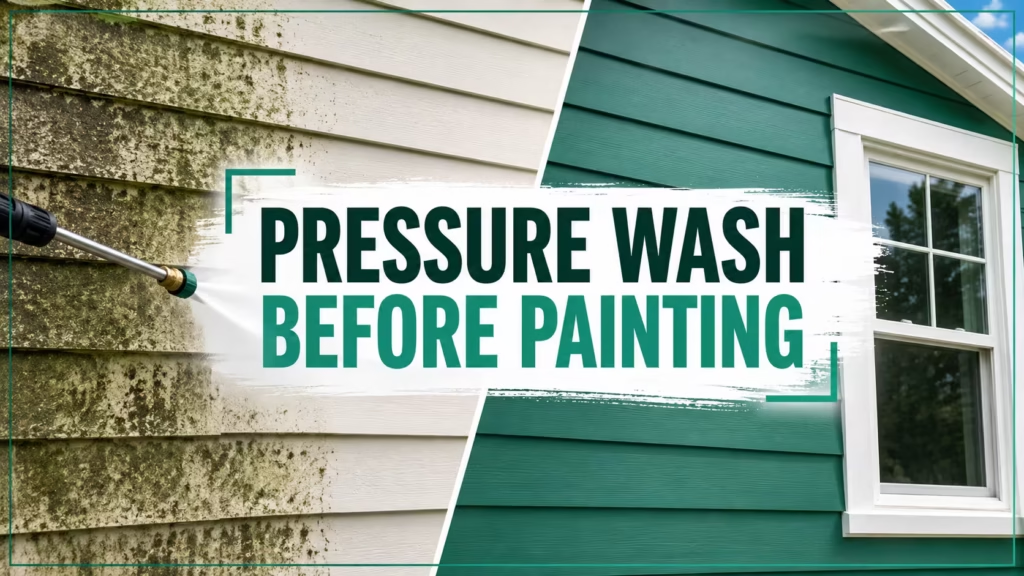
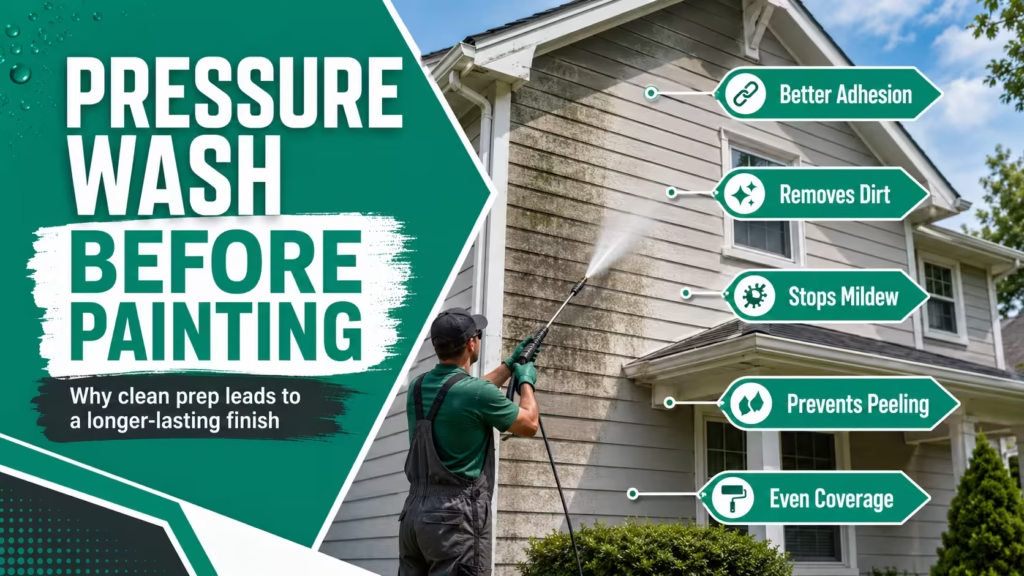
Yes, generally pressure washing is required before house exterior painting. The old paint, algae or moss growth dirt paint particles and dust prevent the fresh paint from sticking to the surface properly. Even with the best paint, if the surface isn’t clean, the paint may peel or crack shortly after.
In other words, pressure washing is not about blasting the house to extremely high-pressure water. It is about effectively and safely cleansing the surface so a new paint layer can properly adhere to a clean, dry surface.
I have seen exterior wall paintings peeling off after just two years only because the walls were not properly cleaned. From the ground level, the wall surface looked fine, but close-up there was chalk and mold which was painted over.
Let’s find out why cleaning is so important and when it is the best choice to use a pressure washer for washing a house’s exterior.
Paint adheres best to clean, dry, stable surfaces. Anything sitting between the paint and the siding weakens that bond.
Common contaminants include:
If you rub your hand across older siding and see a powdery film on your palm, that’s chalking. New paint applied over chalk will not grip well. It may look fine initially, but it can begin peeling in sheets once exposed to sun and rain.
Schedule expert pressure washing before your next house exterior paint project
Skipping cleaning can lead to:
Many homeowners are satisfied with just scraping the peeling paint. The problem is, the surface still has invisible contaminants that will affect paint adhesion at a microscopic level.
When paint fails prematurely, it’s often traced back to poor surface preparation, not defective paint.
Having the exterior thoroughly cleaned gives the best start for an exterior painting project. Not only can pressure washing clear off dirt and grime that may have been on the surface for a long time, but it also gives way to a smoother finish, better paint adhesion, and results that won’t peel so easily.
Dirt, dust, and the effects of pollution can form a layer of impurities that hinder paint adhesion. Pressure washing takes those away, so the paint can stick better. Really paint will not only stick well but also last longer thanks to this cleaning step.
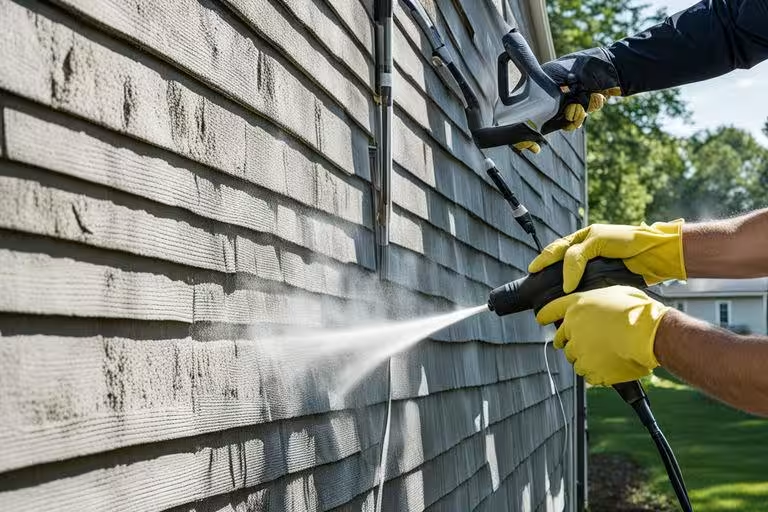
Painting over mold or mildew can be a big mistake since it just hides it under the fresh layer and gives it another chance to develop. A simple pressure wash is needed for creating a more healthy and clean foundation for your paint.
Another benefit is the prevention of stains and peeling of paint that is a symptom of the presence of hidden organic matter, like that coming from mold, for example, which is growing under the paint.
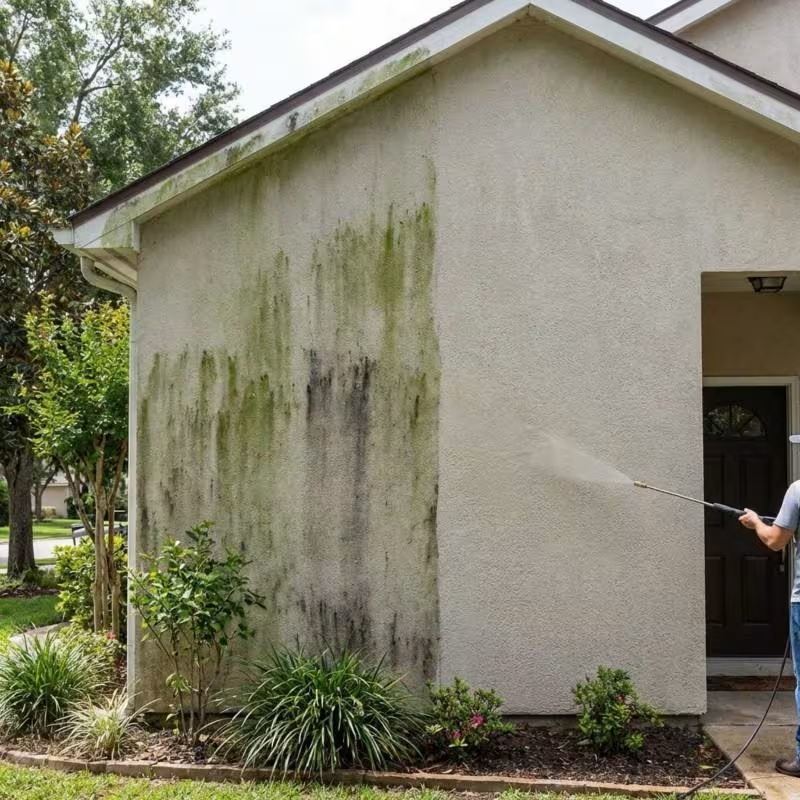
Pressure washing can be used before scraping and sanding to remove the paint that is peeling. If done correctly, the newly applied layer of paint should hold better and chances of future paint flaking would be minimized.
Pull out these unstable layers of paint. This action allows the new layer of paint an even, flat, and strong base to adhere to.
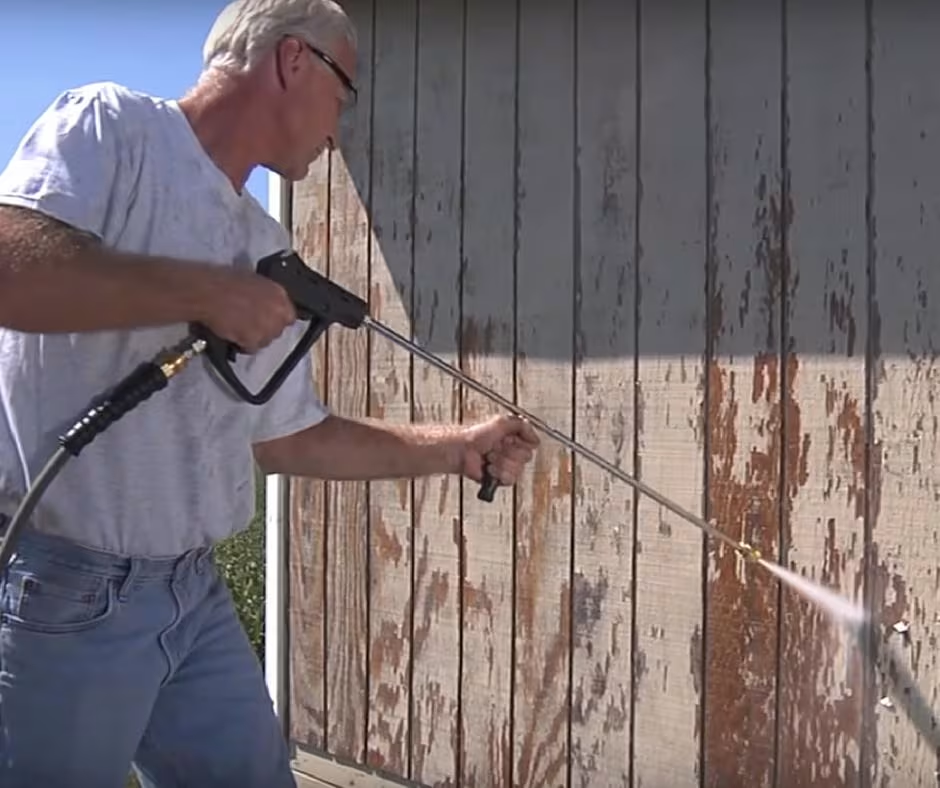
A clean surface with no dirt or other obstacles for paint spread will make the paint go further, i.e. you’ll get better paint coverage per coat. As a result, the surface appears to have been painted evenly and is more likely that the painting project will require fewer touch-ups.
So in the end you get the look that is perfectly even with paint coverage and a minimum of touch ups once the job is done.
Protect your investment with professional exterior wall painting solutions
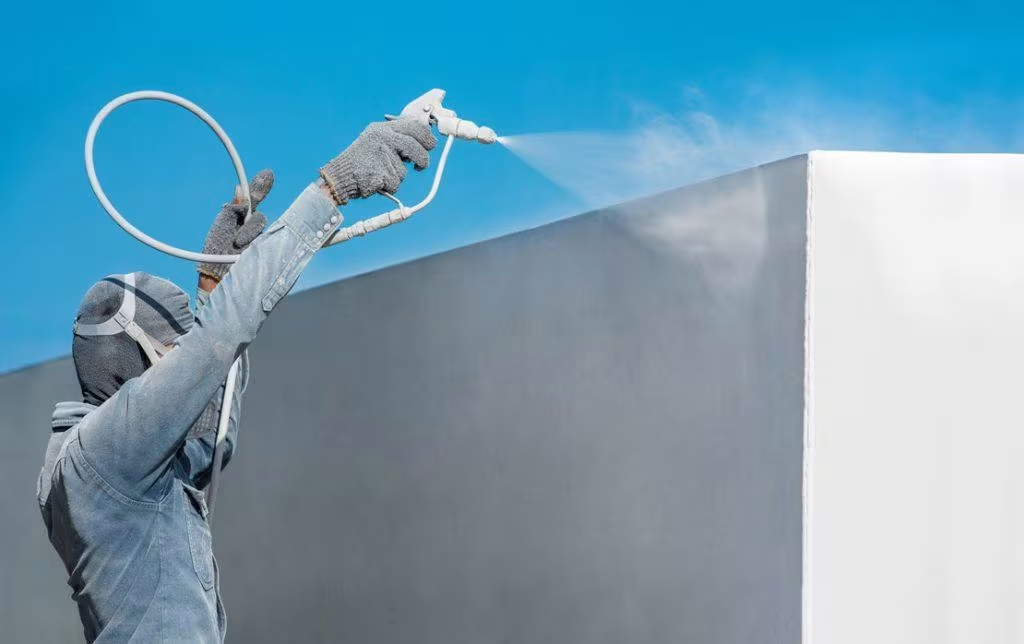
Pressure matters, but technique matters more.
High pressure can damage:
Professional painters usually mix light pressure with the right cleaning agents rather than depend solely on power.
Typical steps include:
Dry the wood completely before painting or priming. When we paint on wet wood, usually a layer of moisture is left between coats which is the biggest reason for peeling paint.
In certain situations, cleaning can be done using:
Soft washing uses lower pressure and relies more on cleaning agents to remove mildew and buildup. It’s often used on delicate surfaces.
The key point: some form of thorough cleaning must occur before applying house exterior paint.
If you’re going for exterior home renovations, either through siding repairs, replacing old trim, or a full repainting of your home, there’s no reason to skip the step that properly cleans the surface.
Preparation is what protects that investment.
A clean surface ensures:
The cost of washing is small compared to the cost of repainting prematurely.
Look for:
Even homes that “don’t look dirty” often benefit from washing. Paint failure doesn’t require visible grime—only poor adhesion.
Get professional prep services to maximize your exterior wall painting results
No. Rain rinses loosely attached dust but does not remove mildew, chalking, or embedded dirt.
Scraping removes loose paint but doesn’t eliminate contaminants that interfere with bonding.
No. It removes loose material, but scraping and sanding are still required during preparation.
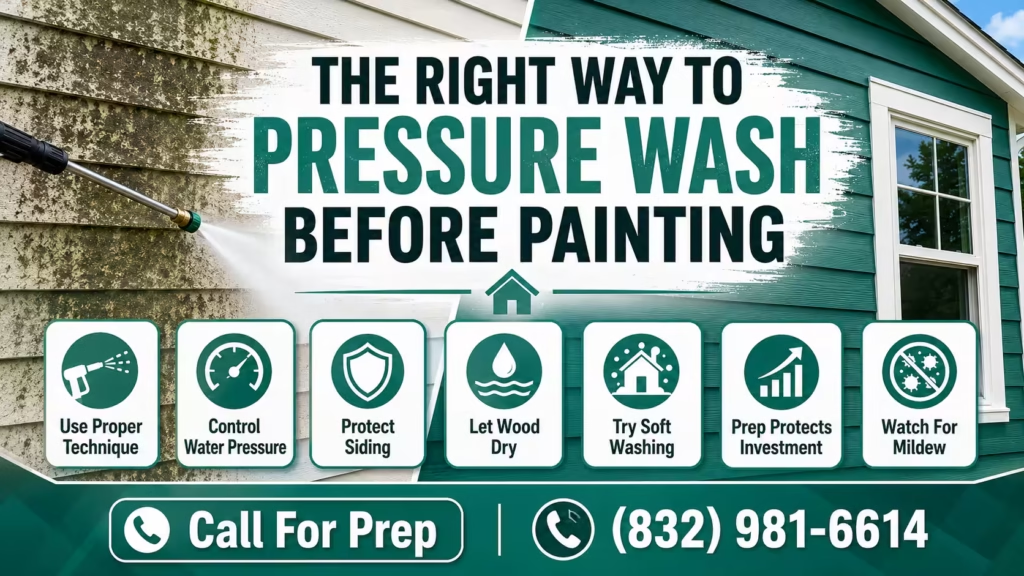
Pressure washing goes far beyond being a cleaning measure, it is one of the decisive steps for a great paint job. By removing dirt, mildew, chalking, and loose debris before applying your new house exterior color, you are laying the good base for a painting that will remain and be durable for long. Be it that you are just updating your house’s exterior or doing a full-scale exterior home renovations, right preparation work guarantees your house exterior paint will provide a better-looking finish, enhanced protection layer, and countless dependable years of service.
Get personalized exterior painting recommendations and professional painting services today.
Get personalized exterior painting recommendations and professional painting services today.