
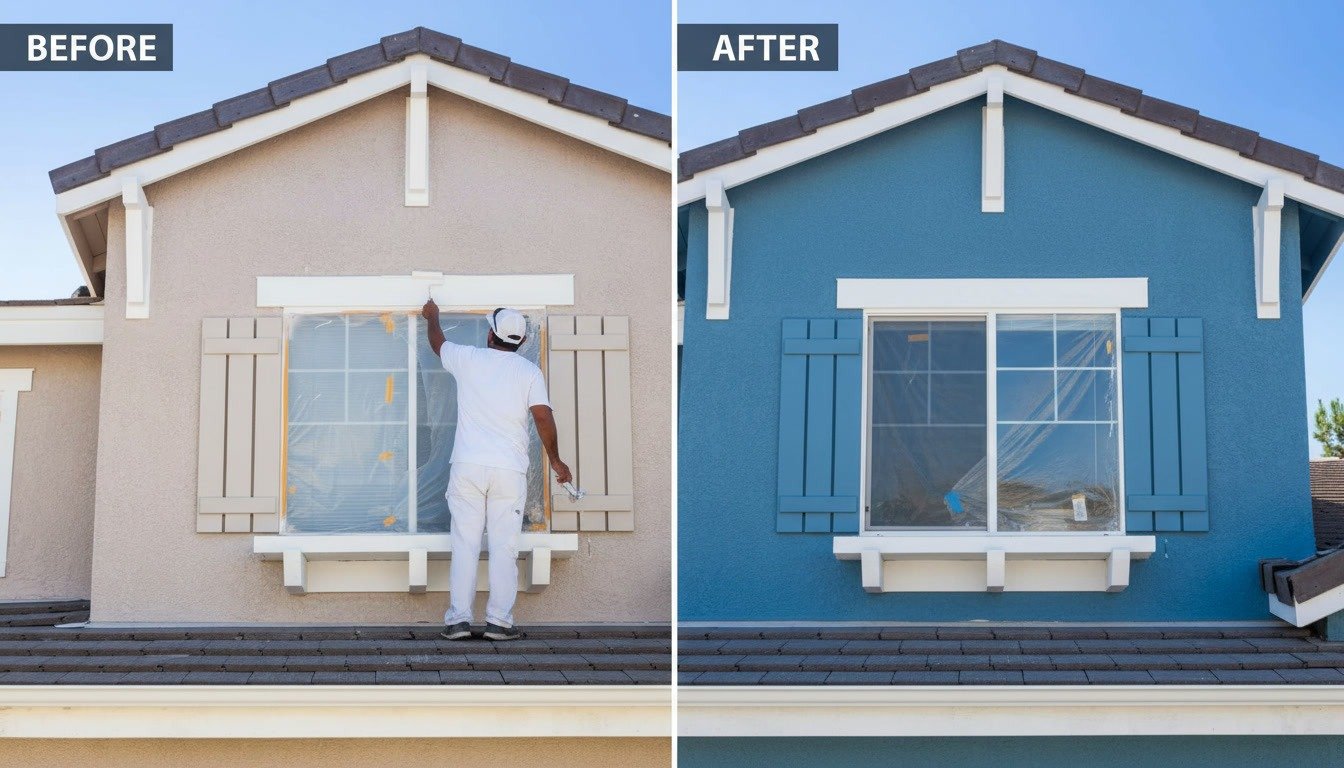
It seems easy to hire a painting contractor, but things can go wrong when deadlines are missed, work is done poorly, or extra fees come up. A new coat of paint can completely change the look of your home, but hiring the wrong person can make the job very expensive. It’s important to know how to pick a trustworthy painting contractor to protect your investment and get beautiful, long-lasting results.
This guide will help you find honest professionals, stay away from scams, and feel good about your hiring choices.
Check the license, insurance, and credentials
A trustworthy painting contractor should have all the necessary licenses and insurance. Licensing means that the contractor follows the rules in your area, and insurance protects you from being responsible if something goes wrong on your property.
Ask for proof of:
- License to do business
- Insurance for general liability
- Insurance for workers’ compensation
- Memberships or certifications in a profession
Don’t ever trust what people say. A real contractor will be happy to give you paperwork.
Look for a good reputation in the area
A good track record in your community is one of the best signs that you can be trusted. Established contractors rely on their reputation and repeat business, so they are less likely to take shortcuts.
Check:
- Reviews on the internet (Google, Yelp, etc.)
- Reviews on their website
- Pictures of projects before and after
- References from clients who have worked with you before
When you can, talk to people who have used your service before. Find out if the project was done on time, within budget, and to their satisfaction.
Get a lot of detailed estimates
Don’t hire the first contractor you talk to. Instead, ask at least three professionals for written estimates.
A good estimate should have:
- Information about preparing the surface
- The kind and brand of paint
- How many coats
- Costs of labor
- A timeline
- How to clean up
- Details about the warranty
Be careful with bids that are much lower than the rest. Very low quotes are often a sign of shortcuts, lower-quality materials, or hidden fees later.
Ask the Right Questions
If you know what to ask, you can tell the difference between professionals and amateurs. Some important questions are:
- How long have you been in business?
- Do you mostly do work on homes or businesses?
- What kind of preparation work will you do?
- Who will be in charge of the job on-site?
- What happens if the weather gets in the way?
- Do you give a written guarantee?
Answers that are clear and sure show that you are experienced and professional.
Look at how well they communicate and how professional they are.
From the first contact, reliable contractors are clear in their communication. Watch how they answer the phone, emails, and make appointments.
Some good signs are:
- Getting to estimates on time
- Giving clear written information
- Giving a detailed explanation of the process
- Taking your time to answer questions
- Being open about costs
Bad communication at the start of a project can lead to bigger problems later on.
Read the Contract Carefully
Always have a written contract before you start working. Setting clear expectations in this document keeps both you and the contractor safe.
A good contract should say:
- The exact scope of work
- Brands of paint and materials
- Dates for starting and finishing
- Schedule for payments
- Who is in charge of cleaning up
- Terms of the warranty
Don’t make agreements that aren’t clear. Everything that was talked about should be written down.
Know How Payments Work
Most good painting contractors don’t ask for full payment up front. A reasonable structure might include:
- A small deposit to hold your spot
- Payments made in stages for bigger projects
- Final payment after the work is done to your satisfaction
Be careful if a contractor asks for a lot of cash up front before they start work. This is a common sign that something is a scam.
Look Over the Plans for Preparation
Getting the surface ready is very important for good painting. If you don’t do the prep work, the finishes will peel, crack, and be uneven.
Ask the contractor how they will handle:
- Cleaning surfaces
- Fixing cracks or holes
- Sanding rough spots
- When needed, priming
- Keeping floors and furniture safe
Before painting, professionals spend a lot of time getting ready.
Check the Warranty and Support After the Sale
Contractors you can trust stand behind their work. Many offer warranties that cover the work for a certain amount of time.
A good warranty should make clear:
- What problems are covered
- How long does coverage last
- How to ask for repairs
- If the materials are included
Don’t hire contractors who won’t stand behind their work.
Look Out for Signs of a Common Scam
Doesn’t have a real business address
You can avoid costly mistakes by knowing the warning signs. If a contractor:
- Won’t give references
- Gives a deal that is only good for today
- Uses aggressive sales techniques
- Can’t show proof of insurance
- Asks for full payment up front
- Doesn’t like written contracts
Listen to your gut. If something doesn’t feel right, keep looking.
Look at the Quality of Work Done in the Past
If you can, go see finished projects in person. Pictures are useful, but looking at things in person shows things like:
- How smooth the finish is
- Lines and edges that are clean
- Uniform color coverage
- Cleaning up properly
- Lasting over time
Promises mean nothing if the work isn’t done well.
Pick Value Over the Lowest Price
The cheapest choice doesn’t always give you the best results. To paint professionally, you need skilled workers, good materials, and the right amount of time to get ready.
Instead of just looking at the price, think about the whole value:
- Level of experience
- Dependability
- Things that were used
- Coverage under warranty
- Reputation
In the long run, paying a little more for a reliable contractor can save you money.
Conclusion
To find a good painting contractor, you need to do a lot of research, make comparisons, and pay attention to the small things. You can avoid scams and make sure your project goes smoothly by checking credentials, reading reviews, asking the right questions, and carefully going over contracts.
A professional painter not only makes your home look better, but they also protect surfaces from damage, wear, and the weather. If you take the time to find the right contractor, you’ll get beautiful results that last for years.
If you’re not sure, keep in mind that honest professionals are happy to answer your questions, be open about their work, and put the needs of their customers first. If a contractor can’t meet those standards, keep looking. Your home deserves the best.